Circo Massimo
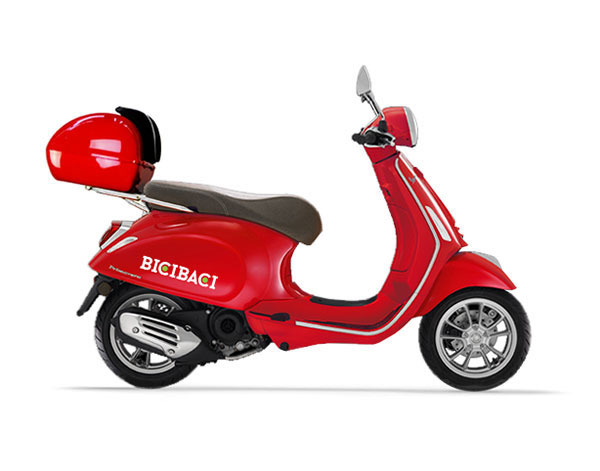
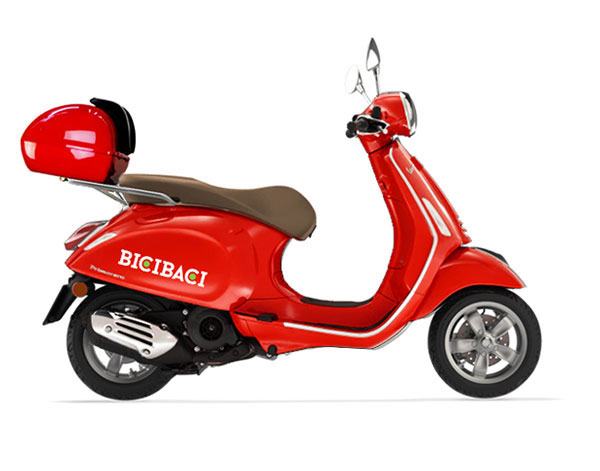
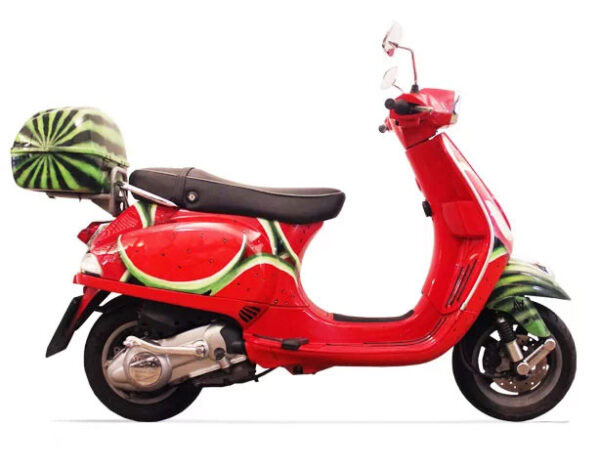
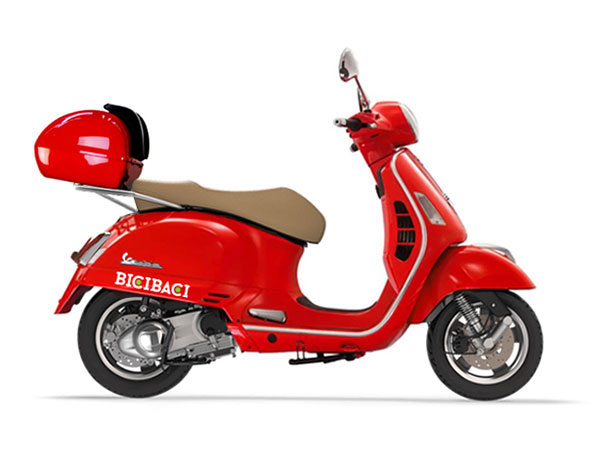
Discover the Circus Maximus in Rome with a bike tour: explore the ancient Roman arena between nature and history, or if you prefer experience the magic of Rome in total freedom on two wheels with a wonderful tour on a Vespa or scooter, and if you want to experience the eternal city in full relaxation rent or take a guided tuk-tuk tour: comfort and fun for the whole family are assured.

What you need to know about Circus Maximus
The Circus Maximus is an ancient Roman stadium intended for chariot races and mass spectacles in Rome. Located between the Aventine Hill and the Palatine, it was originally built in the 6th century BC, making it one of the oldest and largest public spaces in Rome. Over the centuries, the site underwent numerous expansions and renovations, especially during the imperial period, reaching an extraordinary capacity of more than 150,000 spectators. The Circus Maximus was used primarily for chariot races, but it also hosted other public events, such as gladiatorial fights, public games, and religious ceremonies. Today, although much of the original structure has disappeared, the site remains a large open space used for concerts, public gatherings and cultural events. Its layout still reflects the design of the original stadium, and archaeological excavations continue to reveal details about its rich history. The Circus Maximus has a fascinating history, intertwined with the growth and glory of ancient Rome. Here are some interesting details:
Origins and Construction: Built around the 6th century BC, the Circus Maximus was expanded and renovated several times over the centuries. The Etruscan king Tarquinius Priscus is credited as the founder of the Circus, and under Emperor Caesar the first major structural interventions took place, transforming it into a monumental space.
Monumental Dimensions: With a length of about 600 meters and a width of 140 meters, the Circus Maximus could accommodate about 150,000 people. At its peak, during the imperial era, the Circus was adorned with columns, statues and obelisks, including an Egyptian obelisk carried by Augustus, which can be seen today in Piazza del Popolo.
Races and Shows: Chariot races, the main event in the Circus, were extremely popular and involved four teams or “factions” (red, white, green, and blue) representing different social classes and political alliances. The races were often accompanied by grandiose spectacles, military celebrations and, on some occasions, even simulated naval battles.
Religious and Political Significance: The Circus Maximus was not only a place of entertainment but also of religious rituals and public celebrations, such as the Roman Ludi, dedicated to Jupiter. These events also served as political tools for emperors, who gained the favor of the people by organizing games and shows.
Decline and Rediscovery: After the fall of the Roman Empire, the Circus Maximus fell into disuse. In the Middle Ages, the area was turned into agricultural fields, and later became the site of various activities, such as markets and fairs. Archaeological excavations begun in the 19th century have unearthed part of the original structure.
Modern Use: Today, the Circus Maximus is a green area and one of Rome’s largest public parks, used for concerts, rallies, and large-scale cultural events, such as celebrations of Italian national team sports victories and concerts by world-renowned artists. The Circus Maximus is thus a symbol of the grandeur and cultural heritage of ancient Rome, which continues to live on as a community and entertainment space.
Curiosities
Record number of spectators: With a capacity of more than 150,000, the Circus Maximus was the largest stadium ever built in antiquity. It was so massive that even the Colosseum seemed relatively small in comparison, being able to accommodate “only” about 50,000 spectators.
Central Spina: In the center of the Circus was a long barrier called a *spina*, decorated with columns, statues and obelisks. It was the hub of chariot races and divided the lanes, with chariots running around it in a circular path. Some artifacts from the *spina* are in museums in Rome today.
Spectacular crashes: Chariot races were extremely dangerous and, for the Roman public, this was part of the fun. Riders (called “charioteers”) often risked their lives, and spectacular crashes were one of the most exciting aspects of the race. The danger was such that many famous “charioteers” became true folk heroes.
Teams and cheering: Romans cheered avidly for chariot factions, which were divided into teams with distinctive colors: red, white, green, and blue. Some emperors, such as Caligula and Nero, were avid fans of the teams, and the public divided into often noisy and competitive cheering squads.
Early Betting: Races at the Circus Maximus were accompanied by intense betting, with spectators betting large sums on their favorite charioteers or teams. Betting was so widespread that certain teams’ victories could even influence the city’s politics and economy.
Myths and Legends: Ancient legend has it that the Circus Maximus was the scene of one of the legendary episodes in the founding of Rome: the Rape of the Sabine Women. According to tradition, Romulus organized an event at the Circus to lure the Sabines and kidnap their women, thus beginning the population of the new city.
Remains of the Obelisk of Augustus: An Egyptian obelisk, brought by Augustus to beautify the “spina” of the Circus Maximus, stands today in Piazza del Popolo. A second obelisk, added by Constantius II, was moved to Piazza San Giovanni in Laterano.
Cinema and pop culture: The Circus Maximus has been a source of inspiration for numerous films and literary works, and its appeal continues to attract artists and filmmakers from around the world. Its importance was immortalized in the film “Ben-Hur” with the famous chariot racing scene, even though the scene itself was filmed in Hollywood.
These curiosities underscore how the Circus Maximus was more than just a stadium: it was a cultural, social, and even political center that shaped Rome’s history for centuries.
Choose your favorite Vespa tour to visit Rome

Grand Tour of Rome

Rome Movie Set

Castelli Romani

Rome and Ostia Antica