Teatro di Marcello
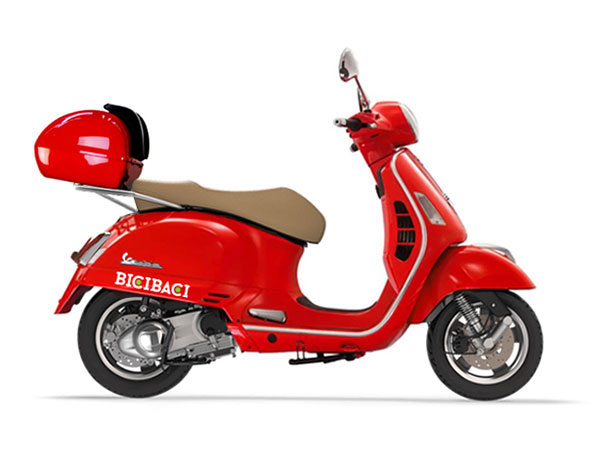
Explore the Theater of Marcellus on a Vespa tour: experience Rome like a true Roman! Ride through the historic streets of Rome on a scooter: stop at the Theatre of Marcellus for an authentic experience! A bike tour to the Theater of Marcellus: pedal through the ancient wonders of Rome! Discover the Theater of Marcellus and surrounding monuments on a relaxing tuk-tuk tour.

What you need to know about the Theatre of Marcellus
The Teatro di Marcello is located in the Sant’Angelo district, near the Capitoline Hill and the Jewish Ghetto. Its strategic location near the Roman Forum and the Colosseum makes it easily accessible on foot for those exploring Rome’s historic center. Structure and Architecture: Dimensions: The theater measures about 130 meters in diameter and features a semi-circular cavea (the area of the bleachers) that takes advantage of the natural hills to shape the building. Exterior: The exterior façade consists of a series of overlapping arches, with classical Doric and Ionic columns arranged in two main orders, a typical feature of Roman architecture. Materials: Travertine and tufa, local materials typical of Roman buildings, were used for the construction. Some stone blocks were reused in later constructions during the Middle Ages. After the fall of the Roman Empire, the theater lost its original function. During the Middle Ages, it was transformed into a fortress and later into a noble residence, passing between various Roman aristocratic families, including the Fabi and Savelli families. This transformation allowed it to survive the centuries, unlike many other Roman buildings that were dismantled to recover building materials. Today the Theater of Marcellus is partially preserved and a section of the structure houses private apartments, while the lower part and exteriors are open to the public. During the summer, the theater becomes an atmospheric stage for classical music concerts, which take advantage of the exceptional acoustics of the ancient structure.
Constructive History : Origins: Construction of the theater began under Julius Caesar with the intention of rivaling the existing Theatre of Pompey. However, Caesar was assassinated before he could see the project completed. Augustus continued the work, completing it in 13 BC and dedicating the theater to Marcellus, his beloved nephew and designated heir, who died prematurely at only 19 years of age. It was inaugurated with grand celebrations and theatrical performances to honor the memory of Marcellus. In Roman times, the theater hosted comedies, tragedies, and dance performances, attracting citizens from all walks of life. Architectural Details Capacity: The theater could seat up to 15,000 people, positioned on tiers of tiers distributed over several levels. The architectural orders (Doric, Ionic, and possibly Corinthian) lent majesty to the aesthetics of the building. Access and Exit: The system of arches and corridors allowed an orderly flow of spectators, a precursor to the architecture of modern theaters. The cavea, that is, the area of the tiers of seats, was designed so that every spectator had a good view of the stage, showing the skill of Roman engineers in designing spaces for large crowds.
Religious and Medieval Influences: During the Middle Ages, the theater was converted into a fortress to protect the city from invasions and internal conflicts. When the Savelli family gained control of the theater, they renovated it in part to adapt it to a noble residence, building a residential structure over the ancient ruins. These interventions partly saved it from decay, and the theater has preserved many original details, such as Roman columns and arches.
The Theater Today: Performances and Tours: The Theater of Marcellus is now an atmospheric venue for outdoor classical music concerts, which take place on summer evenings and create a unique atmosphere thanks to the structure’s natural acoustics. Despite transformations over time, the original architecture still provides excellent sound, and the evening lighting emphasizes the classical lines and Roman structures.
Curiosities
Influence on Other Buildings: The Theater of Marcellus influenced the design of one of the world’s most famous monuments, the Colosseum. The arches with overlapping architectural orders are echoed in the Flavian Amphitheater itself, which echoes the pattern visible in the theater.
Religious Connections: During the Middle Ages, a private chapel was built inside the theater, evidence of the transition from the pagan to the Christian era and the subsequent transformation of the theater into a residence.
The Passage of Historical Energy: The theater has been used for centuries and its stones still bear the marks of those who frequented or inhabited it, from Roman citizens to medieval aristocrats. This fascination attracts not only tourists but also artists and archaeological scholars.
Film Shooting: The theater has been used as a location for a number of historical films and documentaries because of its ancient aesthetic and central setting in the heart of Rome.
The Theater That Turned into a Castle: During the Middle Ages, like many other Roman buildings, the Theater of Marcellus lost its original function and was transformed into a defensive fortress to cope with periods of political instability. Its thick walls and strategic location made it ideal for becoming a castle. Later, it became the residence of the noble Fabi and Savelli families, who adapted it for their own purposes by inserting medieval structures directly on top of the Roman ruins.
An Inhabited Theater: Today, part of the Theatre of Marcellus is still inhabited! In the upper portion, after renovation by the Savelli family, apartments were built that have been maintained to this day and are inhabited by private individuals. These residents literally live above history, in a structure that combines ancient Roman architecture with medieval interventions.
The Ghost of Marcellus: According to Roman legend, the soul of Marcus Claudius Marcellus, grandson of Augustus and to whom the theater is dedicated, is said to still roam around the ruins. Marcellus was the designated heir of Augustus but died very young, and the theater was built in his honor. The ghost of young Marcellus is said to roam among the arches and columns, especially on full moon nights.
Art and History Carved in Travertine: The Theatre of Marcellus was built with travertine, a limestone extracted from quarries in Tivoli, just outside Rome. Travertine was an essential material in ancient Roman buildings and also in the restoration of the theater. The stone has withstood centuries of erosion and conflict, demonstrating the durability and appeal of ancient Roman building techniques.
A Theater Hidden Until the 20th Century: Part of the structure of the Theater of Marcellus remained buried until excavations in the 20th century. When archaeologists began digging, they unearthed much of the theater, which for centuries had been incorporated into the buildings above. The excavations revealed a number of architectural details and inscriptions that enriched our knowledge of Roman life.
Choose your favorite Vespa tour to visit Rome

Grand Tour of Rome

Rome Movie Set

Castelli Romani

Rome and Ostia Antica