Trastevere
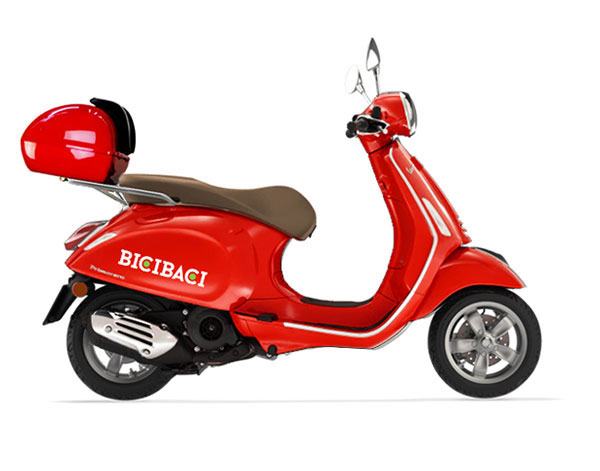
Explore Trastevere by bike: a unique tour through historic streets and lively piazzas! “Experience the authenticity of Rome with a scooter or Vespa tour through the picturesque neighborhood of Trastevere. And why not a Tuk Tuk Tour of Trastevere: a fun and original way to explore this charming neighborhood!”

What you need to know about Trastevere
Trastevere is one of Rome’s most charming and vibrant neighborhoods, famous for its bohemian atmosphere, narrow cobblestone streets, historic architecture, and lively nightlife. Located across the Tiber from the historic center of Rome, Trastevere offers a unique combination of medieval character and contemporary charm.
Attractions and Places of Interest
Santa Maria in Trastevere – One of the oldest churches in Rome, with breathtaking mosaics dating back to the 12th century.
Villa Farnesina – A Renaissance villa with spectacular frescoes by Raphael and other renowned artists.
Santa Maria Square – The main square, perfect for people-watching and immersing yourself in the local café culture.
Janiculum Hill – A short walk uphill offers a panoramic view of Rome.
Atmosphere and Culture Trastevere is celebrated for its authentic, local charm, maintaining a village atmosphere despite its popularity. You’ll find artisan stores, colorful buildings and vibrant murals along the streets. The neighborhood comes alive at night with trattorias, wine bars and pizzerias, becoming a popular destination for Romans and tourists alike.
Food and Dining From traditional trattorias to modern restaurants, Trastevere is a food lover’s paradise. Here are some highlights: Roman specialties such as carbonara, cacio e pepe and saltimbocca. Gelaterias and pastry shops with typical Italian desserts. Cafeterias ideal for a morning espresso or aperitif.
Easy to visit on foot: The narrow streets and pedestrian areas make it perfect for exploring on foot. Lively in the evening: The area fills up and becomes lively in the evening, especially on weekends.
CURIOSITY.
Name and Origins: “Trastevere” comes from the Latin *trans Tiberim*, meaning “beyond the Tiber.” This name reflects the neighborhood’s location, situated precisely across the river, somewhat detached from the heart of ancient Rome.
Popular neighborhood: Since Roman times, Trastevere was a working-class neighborhood, inhabited largely by fishermen, artisans, and sailors. Here, the population was very diverse and also included communities of foreigners such as Syrians, Jews, and Greeks.
Hidden Corners
Acqua Paola Fountain – Located on top of the Janiculum Hill, this magnificent Baroque fountain offers a splendid view of the city and is a corner often overlooked by tourists.
Botanical Garden of Rome – A green oasis hidden right in the heart of Trastevere. This garden, connected to the University of Rome, is home to a wide variety of exotic plants, greenhouses and relaxing paths.
Via della Scala – A little-known street where you can find artists’ workshops, small artisan stores and peculiar bars that maintain the authentic atmosphere of the neighborhood.
Events and Parties
Festa de’ Noantri: Every July, Trastevere celebrates the Festa de’ Noantri, one of the oldest popular festivals in Rome. On this occasion, the statue of the Madonna del Carmine is carried in procession through the streets of the neighborhood. This festival is accompanied by music, performances and typical Roman food.
Tips for an Authentic Visit
Visiting Hours – To enjoy the magic of Trastevere to the fullest, visit early in the morning or late in the afternoon. In the evening, especially on weekends, the neighborhood comes alive a lot and can be crowded.
Take an aperitif: Stopping for an aperitif is a Roman tradition, and in Trastevere you can find many bars and clubs offering aperitifs overlooking the square or along the Tiber.
Street Art and Photography: Trastevere is a gold mine for photography enthusiasts, thanks to its street art, colorful corners and picturesque alleys. Explore the less-traveled streets to discover murals and unique artistic details.
Curiosities
An independent spirit: Trastevere has a long tradition of independence and autonomy, so much so that its inhabitants call themselves “Trasteverini” even before they call themselves Romans. This sense of belonging is keenly felt and is reflected in their proud defense of local traditions.
Eating like a Local: To really eat like a Trasteverino, seek out restaurants frequented by locals, avoid areas that are too touristy, and try dishes like coda alla vaccinara, abbacchio alla scottadito, and supplì as appetizers.
Nightlife and Clubs: Trastevere is famous for its vibrant nightlife, and there are options for every taste:
Historic bars: Some establishments have retained the atmosphere of years gone by, with original furnishings and vintage settings.
Enoteche: Trastevere offers several wine bars where you can taste Italian wines, often accompanied by platters of local cured meats and cheeses.
Craft breweries: The neighborhood is also home to breweries that serve Italian and international craft beers, offering an alternative to Roman wines.
Small concerts and live music: Some bars and clubs organize live music nights, with genres ranging from jazz to rock and folk, adding a unique note to the evening.
Neighborhood Atmosphere: Despite its popularity, Trastevere retains a small neighborhood spirit. Locals often know each other and are proud of their traditions, passed down from generation to generation.
Markets and Shops: Explore neighborhood markets and small craft stores to discover typical products such as handmade pasta, painted ceramics, and wooden objects.
Sense of Community: It is not uncommon to see Trasteverini chatting with each other in the squares or in front of stores, keeping alive an authentic sense of belonging.
Unique Experiences
Sunset Walk on the Tiber: The view of the river illuminated by the colors of sunset, with historic bridges reflecting on the water, is a magical experience.
Street Photography: Trastevere is a great place to do street photography, among colorful alleys, clotheslines and graffiti art.
The Basilica of San Francesco a Ripa: Less well known than other churches, this basilica houses Baroque sculptures and works of art, including Gian Lorenzo Bernin’s famous statue of St. Ludovica Albertoni
Excursions in the Surroundings
If you have a little extra time, Trastevere is a great starting point for exploring other areas:
Monteverde: Residential neighborhood located just above Trastevere, known for Villa Pamphili Park, one of the largest and most beautiful parks in Rome.
Testaccio: Just minutes from Trastevere, Testaccio is Rome’s historic neighborhood for food culture. Here you’ll find traditional trattorias and the famous Testaccio Market, ideal for a quick lunch.
Ostiense: Industrial district that is reinventing itself as an alternative cultural center, with street art, clubs and the Centrale Montemartini, a unique museum that mixes ancient art and industrial archaeology.
Final Tips
Visiting with a Walking Tour: Trastevere is best explored on foot and with a local guide you can discover stories, anecdotes and secrets that will enrich your experience.
Avoid peak hours: If possible, try to visit the neighborhood during less crowded hours, such as mornings or weekdays, to better appreciate its atmosphere.
Interact with the locals: Trastevere is a welcoming neighborhood, and if you speak a little Italian, the locals will be happy to give you advice and tell you stories about the neighborhood. Trastevere is a unique microcosm that combines history, tradition and modernity, and immersing yourself in this atmosphere can give you an authentic and unforgettable Roman experience. Trastevere that may surprise you and further enrich your visit:
The Neighborhood Of Roman “Heroes”: Trastevere is often referred to as the “neighborhood of heroes” because of its popular and rebellious history. The inhabitants of the neighborhood, the Trasteverini, were known for their courage and strong sense of identity, so much so that they often opposed the orders of emperors and popes. This rebellious spirit has remained an integral part of the neighborhood, which even today maintains a certain independence from the rest of the city.
The Ancient “Fiumarola”: Before the construction of the retaining walls along the Tiber, Trastevere was often subject to flooding. These periodic floods left the neighborhood covered with debris and slush. The residents of the neighborhood always faced these difficulties with tenacity, and today the word “fiumarola” remains part of their vocabulary as a symbol of their resilience.
Santa Maria in Trastevere and the Miraculous Oil: According to a legend, in 38 B.C., right where the Basilica of Santa Maria in Trastevere stands today, a strange phenomenon occurred: a spring of miraculous oil flowed out of the ground and into the Tiber. This event was interpreted as an omen of the birth of Christ, and from there came the decision to build one of the first Christian churches on that spot.
The Medieval Ghetto: AlthoughTrastevere is not the official Jewish Ghetto of Rome, it has historically been home to a small Jewish community that settled there well before the establishment of the official ghetto in 1555. Even today, walking through the neighborhood, it is still possible to notice traces of Jewish culture, such as Jewish symbols and inscriptions engraved on some street corners.
The Tradition of “Trasteverini Proverbs”: Trastevere is also known for its unique proverbs and sayings. Some of these proverbs tell aspects of the daily life and character of the inhabitants. One example is, “Chi magna da solo se strozza,” which means “he who eats alone chokes,” a reminder of typical Roman conviviality.
The “Scarpette di Gianicolo” Every day at noon, a cannon shot is fired from the Janiculum Hill, not far from Trastevere, marking noon. This tradition dates back to 1847, when Pope Pius IX established the custom to coordinate the ringing of bells throughout Rome. Trasteverini often call this shot “le scarpette,” as the rumble can be heard all the way to their neighborhood, recalling the sound of walking shoes.
The Witches of Piazza San Cosimato: Piazza San Cosimato is one of the main squares of Trastevere, but few know that it is linked to stories of witchcraft and magic. In the Middle Ages, it was believed that this area was inhabited by witches who used the square for their rites. Even if today Piazza San Cosimato is a quiet square, with a lively market, the legend of the witches remains alive in popular memory.
The Ancient Osterias and Popular Culture: Trastevere has always been a neighborhood of osterias and trattorias where residents would gather to discuss politics and current events. These osterie were not just restaurants, but real cultural gathering places where stories were told, songs were sung, and popular traditions were kept alive. Some of these old osterias still exist today and retain the same spirit, serving traditional Roman dishes. One of the most popular places for tourists is “la parolaccia” where waiters greet customers with Roman-style epithets and insults.
The Broken Bridge: Crossing the Tiber, one can notice an ancient bridge, called the “Broken Bridge” (or Ponte Emilio), which dates back to Roman times. Actually, it is only a fragment of a bridge: it was destroyed by various floods and never completely rebuilt. Today, it is one of the symbols of historic and romantic Rome, and its silhouette stands out suggestively among the waters of the Tiber.
These curiosities add to the charm of Trastevere, a neighborhood that continues to enchant with its mix of legends, folk tales and secret corners, offering an authentic experience of Roman life.
Choose your favorite Vespa tour to visit Rome

Grand Tour of Rome

Rome Movie Set

Castelli Romani

Rome and Ostia Antica